Key Takeaways
- A psychic medium combines intuitive insight about a person’s life with mediumship and communicates with people who have passed away.
- Psychic mediums describe images, feelings, words, names, memories, or personality traits and explore their possible meaning through conversation.
- Psychic readings, mediumship, and tarot readings have different focuses, but some practitioners combine these approaches during a session to get a better understanding when appropriate.
- Every reading is different, and not every impression will feel familiar or relevant. You can ask questions, share only what feels comfortable, and trust your own judgement.
- You can choose a psychic medium by checking their approach, session format, fees, privacy arrangements, and willingness to respect your boundaries.
- Mediumship cannot guarantee communication with a specific loved one or claim that every impression is accurate, so approach a reading with an open mind while keeping realistic expectations.
In my readings, I share about the images, feelings, words, and memories that come to me and explore what they might mean through conversation. When it feels appropriate, I also use tarot cards to bring another perspective to a situation or help a message unfold.
Every reading is different because every person brings their own experiences, questions, and emotions to a session. Over time, I have come to understand that reading is not simply about sharing impressions. It is also about listening, allowing space for reflection, and giving someone the freedom to make sense of what comes through in their own way.
Understanding what a psychic medium does, how a reading unfolds, and what you can reasonably expect from one can help you decide if this kind of experience feels right for you.
How Does a Psychic Medium Work?
A psychic medium combines two approaches within spiritual practice- psychic insight and mediumship. Psychic insight generally focuses on a person’s circumstances, relationships, choices, or life direction. Mediumship focuses on attempting to communicate with people who have died.
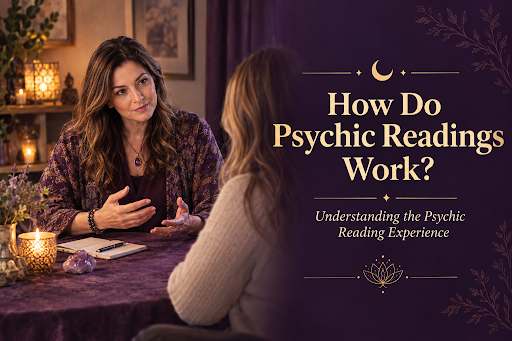
During a reading, a psychic medium will share impressions they interpret as relevant to your situation or as connected with someone who has passed away. These impressions often include a feeling, an image, a name, a memory, or a personality trait.
Mediumship is a spiritual practice that helps people to explore the possibility of connecting with loved ones who have passed away through impressions, memories, and messages that may offer comfort or a sense of connection.
What Can Mediums Do During a Reading?
A mediumship reading involves more than sharing impressions. The practitioner describes what they experience, considers what it might mean, and discusses it with the person receiving the reading.
For example, a medium may describe an image that reminds the receiver of a familiar place, a word they associate with someone who has died, or a feeling they interpret as connected with a particular person. They can also talk about memories, habits, or personality traits.
The person receiving the reading can respond to these details. Some readings will feel familiar, while another impression will not make sense at all. The medium can explore an impression further or move on to something else as the session develops.
There is no single method used by every practitioner. Some explain their impressions as they arise, while others take a little time to interpret them before speaking. Some sessions include more conversation than others.
The important distinction is that a medium shares and interprets what they believe they are receiving. You do not have to agree with every statement or try to make an unclear detail fit your life. A reading should leave room for questions and honest responses rather than making you feel that you must accept everything as fact.
How Psychic Mediums Receive Information?
Within psychic and mediumship traditions, practitioners use several terms to describe how they experience intuitive impressions.
- Clairvoyance: Impressions experienced as mental images, pictures, or visual scenes.
- Clairaudience: Impressions experienced as words, names, or sounds.
- Clairsentience: Impressions experienced as feelings, emotions, or bodily sensations.
- Claircognizance: A sudden sense of knowing something without an obvious explanation.
Everyone experiences and interprets intuitive impressions differently, and there is no single standard method or terminology used by everyone.
How Do Mediums Find Out About You?
Mediums will share impressions they interpret as intuitive or connected with spirit, including names, images, emotions, memories, or details about a person’s character. There are different methods and conversation which helps them to explore if an impression relates to your experience.
Conversation is also part of a reading. A practitioner will ask questions, listen to your responses, or explore whether an impression has any relevance to your experience. Some ask for background information before beginning, while others prefer to hear very little in advance.
This variation is something you will have to understand if you are new to mediumship. It is reasonable to ask what information a practitioner needs from you before the session and how they normally conduct a reading.
A medium should not be assumed to have guaranteed access to your private thoughts, personal history, or information about a deceased loved one. Nor does a detail feeling familiar automatically establish where it came from.
You can listen openly while keeping your own judgement. If something is unclear, it is fine to say so. A responsible reading shouldn’t make you feel you must agree with every impression.
Psychic, Medium and Tarot Reader: What Is the Difference?
A psychic reading generally explores a person’s circumstances and possible direction, mediumship focuses on attempted communication with people who have passed away, and a tarot card reading uses cards to explore a question or situation. Here’s a difference for better understanding:
| Type of reading | Main focus | What it may involve |
| Psychic reading | Your circumstances, relationships, choices, or life direction | Exploring a situation and considering different perspectives |
| Medium reading | Communication with people who have died | Sharing impressions believed by the practitioner to relate to a deceased person |
| Psychic medium reading | Psychic insight and mediumship | A combination of impressions about your life and mediumship |
| Tarot card reading | Tarot cards and their symbolism | Interpreting cards in relation to a question or situation |
These labels are of help, but they are not rigid categories. Some practitioners focus on one approach, while others combine methods during a sitting.
For example, a reading can begin with a question about a personal situation and the next steps can include tarot or mediumship, depending on the practitioner’s approach and what arises during the session. You do not necessarily have to think of these experiences as completely separate.
Tarot is also different from fortune-telling. You can use the cards to explore patterns, reflect on a situation, and consider possible choices. While you will get a direction, not everything will be guaranteed as well.
What Should You Expect From Your First Reading?
Your first psychic medium reading doesn’t require special knowledge or a list of questions. If you’re searching for “medium readings near me”, consider the practitioner’s approach, the type of session offered, and whether you feel comfortable with their way of working. Come with an open mind, allow the conversation to unfold naturally, and keep a few things in mind:
- Prepare a question: Have something in mind if you wish, but there is no need to plan the entire session.
- Respect your boundaries: Share only what feels comfortable, and ask the medium how they approach a reading.
- Stay open, but trust your feelings: Some impressions will feel familiar, while others won’t resonate much. Ask questions when something is unclear, and don’t force a connection.
- Check the arrangements: Confirm whether the session is online or in person. Ask permission before recording or taking notes.
A reading can bring up memories, emotions, or new perspectives rather than definite answers. Give yourself time to reflect on what was shared during the session, without feeling obliged to accept every impression as fact.
What Can a Psychic Medium Help You Explore?
People seek readings for different reasons. Some are curious about psychic or mediumship practices and want to understand what a session involves. Others have a question about a relationship, a change in their life, or a decision they have been thinking about.
A psychic reading may allow someone to talk through a situation and consider it from another perspective. Tarot can provide a focus for reflecting on patterns, feelings, and choices. A mediumship reading often appeals to someone who wants to explore the possibility of a connection with a person who has died.
These are different reasons for booking, and there is no single reason that applies to everyone. You can arrive with a clear question, or you may simply want space to explore something that has been on your mind for a while now.
A reading cannot guarantee an answer or tell you with certainty what you should do. Instead, it will offer material to reflect on, but decisions about relationships, work and other important areas of life remain yours to make.
How to Choose a Psychic Medium
Choosing a practitioner is not about finding someone who describes themselves as experienced. If you’re looking for the best psychic reading for your needs, consider the practitioner’s approach, the type of reading offered, and whether you feel comfortable with their style.
Before booking, consider the following:
- Reading type: Does the practitioner offer psychic insight, mediumship, tarot, or a combination?
- Format: Is the appointment in person, by phone, or by video?
- Length and price: Are the session duration and full cost clearly explained before you commit?
- Practical arrangements: Is there a cancellation policy? Can you take notes or record the session with permission?
- Communication style: Does the practitioner explain the process in plain language and welcome reasonable questions?
- Boundaries: Do they avoid frightening claims, pressure to book more sessions, and promises about specific outcomes?
- Privacy: Are the arrangements for handling your personal information clear?
Online reviews will also help you understand other clients’ experiences, but they cannot guarantee that your own reading will be the same.
If you are considering a local practitioner, these checks are just as useful as they are when booking online. A reading should be a choice you make comfortably, without feeling rushed or frightened into paying for a service.
What a Psychic Medium Cannot Promise
A psychic medium cannot guarantee that a specific person who has passed away will come through, that every impression will resonate, or that a particular outcome will occur. Mediumship is a spiritual practice, and experiences vary between practitioners and readings.
Be cautious of anyone who uses fear, makes alarming predictions, or pressures you to book more sessions to prevent something bad from happening. Also, a reading is not supposed to replace medical care, legal advice, or financial guidance.
Visit with an open mind, and trust your instincts as well. You should feel free to ask questions, consider what resonates, and leave without pressure to accept everything as fact.
Closing Thoughts
A psychic medium reading involves intuitive impressions, conversation, reflection, and, where appropriate, tarot. Each session can proceed differently, giving you space to ask questions, explore what resonates, and reflect on the experience in your own way.
For those considering a reading, Elaine Astin offers in-person sessions in Ferndown, Dorset, as well as readings by phone or video. Exploring her approach can help you decide if a reading feels right for you.
Frequently Asked Questions
Q1. Are psychic mediums accurate?
Experiences vary, and there is no guarantee that every impression shared during a reading will be accurate or meaningful. Mediumship claims have not been scientifically established, so it is sensible to approach a reading with an open mind while keeping your own judgement.
Q2. What do mediums actually see?
Mediums may describe images, words, sounds, emotions, memories, or intuitive impressions. They do not necessarily describe seeing a spirit as though someone were physically present. The way these experiences are understood varies between practitioners.
Q3. How do mediums find out about you?
Practitioners describe receiving impressions through intuition or mediumship, and some also ask questions or discuss details with the person receiving the reading. Their methods differ, and a medium should not be assumed to have guaranteed access to private information.
Q4. What is the difference between a psychic and a medium?
A psychic reading generally focuses on a person’s circumstances, relationships or possible direction. A medium reading focuses on attempting to communicate with people who have died. Some practitioners combine both approaches in a psychic medium reading.
Q5. Can a psychic medium also use tarot cards?
Yes. Some practitioners use tarot cards alongside psychic insight or mediumship, while others do not use cards at all. Tarot involves interpreting the cards in relation to a question or situation, whereas mediumship focuses on attempted communication with spirit.
Q6. Can a medium guarantee that a specific loved one will come through?
No. A responsible medium cannot guarantee communication with a particular person who has died. If you choose to attend a mediumship reading, it is best to understand that the experience may not unfold in the way you expect.